
Stop the Frenzy: Easy Steps to Achieve FMCSA Compliance Before Inspections Hit
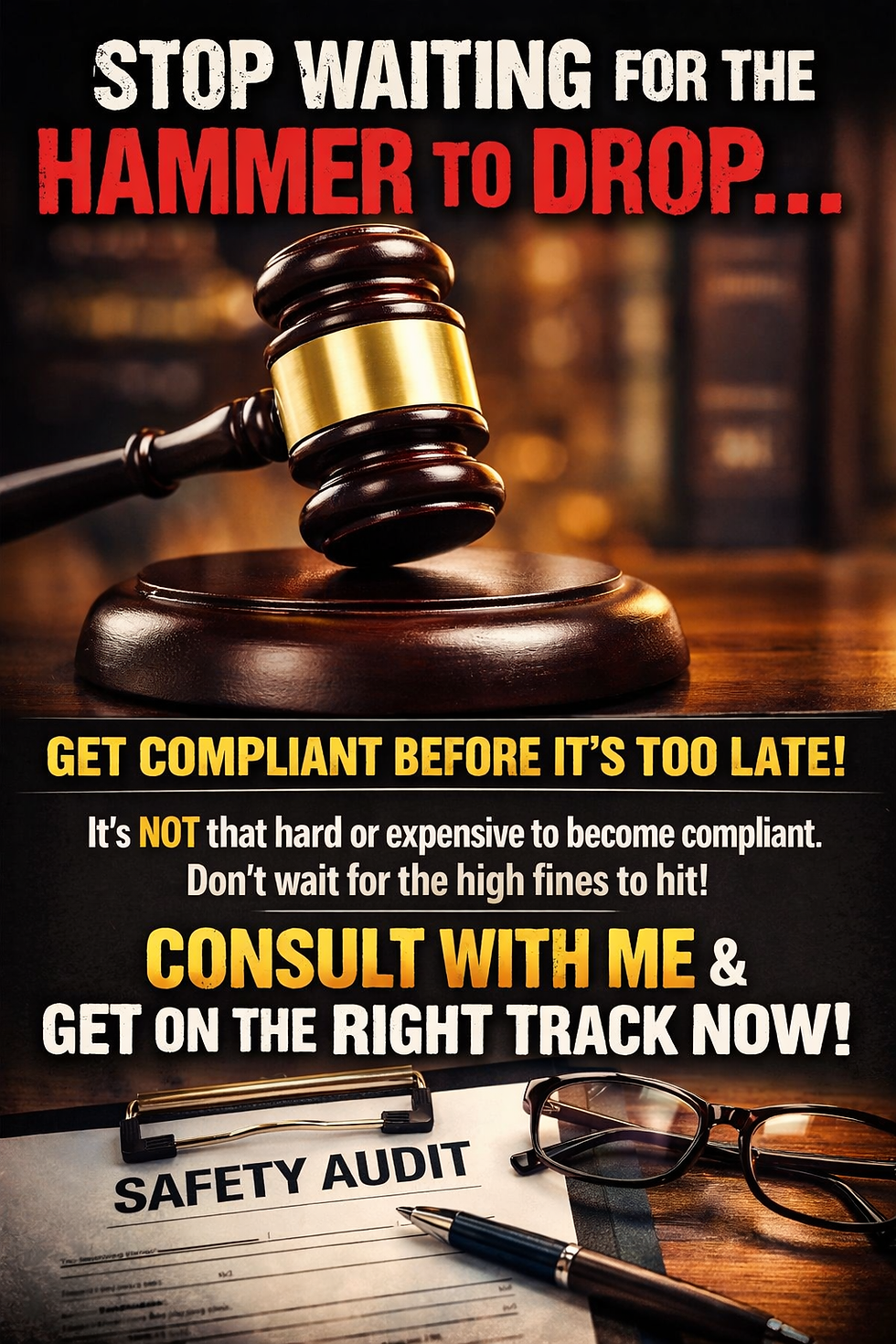
Every day, small trucking companies and owner-operators face the stress of unexpected roadside inspections and safety audits. These inspections often come without warning, triggering a scramble to meet Federal Motor Carrier Safety Administration (FMCSA) regulations. The result? Panic, rushed fixes, and sometimes costly fines that could have been avoided. The truth is, becoming compliant is neither as hard nor as expensive as many believe. Instead of waiting for the hammer to drop, you can take simple, practical steps now to stay ahead and protect your business.
Why Waiting for an Inspection Can Cost You More
Many small operators think compliance is something to worry about only when an inspector shows up. This mindset leads to last-minute panic, which often results in:
High fines for violations that could have been prevented
Downtime while fixing issues or dealing with audits
Damage to reputation with customers and partners
Increased insurance premiums due to safety violations
FMCSA regulations cover a wide range of safety and operational standards, including hours of service, vehicle maintenance, driver qualifications, and drug and alcohol testing. Falling short in any area can trigger penalties.
Taking a proactive approach saves money and stress. It also builds a strong safety culture that benefits your team and your bottom line.
Simple Steps to Get Compliant Today
You don’t need a large budget or a full-time compliance officer to meet FMCSA standards. Here are practical steps you can take immediately:
1. Understand Your Compliance Requirements
Start by knowing exactly what rules apply to your operation. FMCSA regulations vary depending on vehicle weight, cargo type, and routes. Key areas include:
Hours of Service (HOS) rules for driver work limits
Vehicle inspection and maintenance records
Driver qualification files and medical certificates
Drug and alcohol testing programs
Electronic Logging Device (ELD) mandates
You can find detailed information on the FMCSA website or consult with us to clarify your specific obligations.
2. Organize Your Records
During inspections, officers ask for documentation. Having these ready and organized reduces inspection time and shows professionalism. Essential records include:
Driver logs or ELD reports
Vehicle inspection reports
Maintenance and repair logs
Driver qualification files
Drug and alcohol test results
Use simple filing systems or digital tools to keep everything accessible and up to date.
3. Conduct Regular Self-Audits
Don’t wait for an inspector to find problems. Schedule monthly or quarterly self-audits to check:
Driver logs for HOS compliance
Vehicle condition and maintenance status
Driver qualifications and certifications
Compliance with drug and alcohol testing rules
Self-audits help catch issues early and allow you to fix them before they become violations.
4. Train Your Drivers and Staff
Your team plays a critical role in compliance. Provide clear training on:
FMCSA rules and why they matter
Proper use of ELDs and logging procedures
Vehicle inspection routines
Reporting safety concerns promptly
Well-informed drivers are less likely to make mistakes that lead to violations.
5. Use Technology to Your Advantage
Technology can simplify compliance management. Consider tools like:
Electronic Logging Devices (ELDs) to track hours of service automatically
Fleet management software for maintenance scheduling
Digital document storage for easy access to records
These tools reduce paperwork and improve accuracy.
How Consulting a Compliance Expert Can Help
Navigating FMCSA regulations can feel overwhelming, especially for small operators juggling many responsibilities. Consulting with a compliance expert offers several benefits:
Customized compliance plans tailored to your business size and operation
Up-to-date knowledge of changing regulations and enforcement trends
Support with audits and inspections to reduce stress and risk
Cost-effective solutions that fit your budget
A professional can help you build a strong foundation so you never have to scramble when an inspection happens.
Real-Life Example: Avoiding a Costly Fine
Consider a small trucking company that ignored regular vehicle inspections. During a roadside check, inspectors found brake issues and missing maintenance records. The company faced fines exceeding $5,000 and was placed under a safety audit, causing operational delays.
After consulting a compliance expert, they implemented a maintenance schedule, organized records, and trained drivers on safety checks. Six months later, a surprise inspection found no violations, saving them thousands and protecting their reputation.
Keep Compliance Simple and Affordable
Many operators believe compliance requires expensive consultants or complex systems. In reality, small changes can make a big difference:
Use checklists for daily vehicle inspections
Keep digital copies of all required documents
Schedule regular training sessions with your team
Set reminders for key compliance deadlines
These steps cost little but provide peace of mind.
Take Action Now to Protect Your Business
Waiting for an inspection to expose compliance gaps puts your business at risk. Instead, take control today by:
Reviewing your current compliance status
Organizing your records and documentation
Scheduling a self-audit or consulting with us
Training your drivers and staff on FMCSA rules
Implementing simple technology solutions


